What Belongs in a Toilet (and What Doesn't): A Message from the WA Emergency Management Division
It sounds obvious, but wipes, paper towels and grease are behind a huge share of the clogs plumbers see.
October 6, 2026 · 3 min read
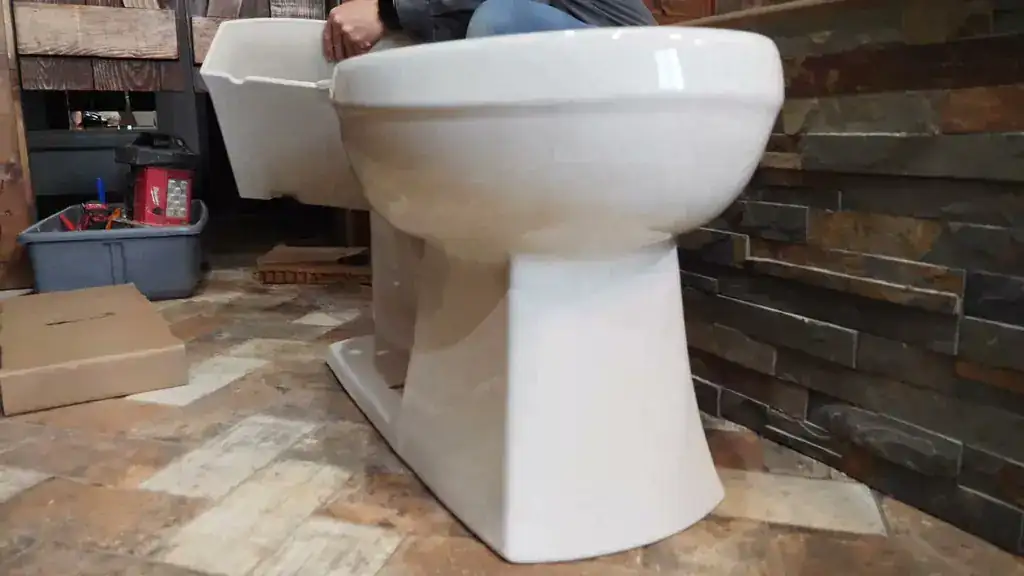
Back in 2020, the Washington Emergency Management Division shared a message that every plumber wishes more people would read: "The only thing that should go down a toilet is human waste and toilet paper." It was about wipes and paper towels clogging pipes statewide, and the hashtag was #WipesClogPipes. It's still the best plumbing advice you can hand a household.
The rule, and why it matters
Toilet paper is made to fall apart in water. Almost nothing else is. When something that doesn't break down heads down the drain, it travels until it snags on a rough joint, a bend, a root, or a spot where the pipe has settled. The next thing that comes along catches on it, and a clog builds up layer by layer. Multiply that by every home on a street and you have a problem for the whole sewer system, not just your house.
The wipes problem
Wipes are the worst offenders, including the ones labeled flushable. They're woven from fibers that hold together on purpose, and they don't fall apart the way paper does. They twist into rope-like clumps and wrap around anything in the line. If it isn't toilet paper, put it in the trash can.
The same goes for paper towels, facial tissue, cotton balls and swabs, dental floss, hair, feminine products, diapers and cat litter. Medications don't belong in a toilet either. Households on septic systems have even less room for error, since solids that don't break down end up filling the tank.
Grease and the kitchen drain
The kitchen sink has its own version of this problem. Cooking grease goes down hot and liquid, then cools and sticks to the walls of the pipe. Over months it narrows the line until water barely gets through. Wipe greasy pans with a paper towel and toss it, and pour cooled fat into a can for the trash.
A garbage disposal isn't a magic trash can either. Fibrous scraps like celery and corn husks, and starchy ones like pasta and rice, can clump up in the trap and the line past it. Run plenty of cold water, and keep the big stuff out.
What a backup looks like
A clog in a single fixture is usually local: one slow sink, one sluggish tub. A problem in the main sewer line shows up more broadly. Watch for these signs:
- More than one fixture draining slowly at the same time.
- Gurgling or bubbling in a toilet when you run the washing machine or a sink.
- Water backing up into the lowest drain in the house, such as a basement floor drain or a shower, when you do laundry.
- A sewage smell near a drain or in the yard.
If you see any of those, stop running water and stop flushing. Every flush sends more water toward a line that's already blocked. Skip the chemical drain cleaners too, since they can sit in the pipe and make the job worse. Call a plumber and describe what you're seeing.
Sewer video inspection: seeing what's really in the pipe
Guessing is expensive, and a camera takes the guessing out. A sewer video inspection feeds a small waterproof camera on a flexible cable down the line, and the plumber watches the pipe live. It can show roots that have worked into a joint, a sag that holds water, a cracked or offset section, a build-up of grease, or a lump of wipes.
Shephard Plumbing offers video inspection, sewer locating and rooter service, so we can see the problem, find where it sits underground, and clear the line. A camera is also a smart step before you buy an older house, or any time the same drain keeps backing up. If the camera shows a damaged line, we can walk you through repair choices, including trenchless options when the pipe allows it.
Help spread the word
Tell the kids, the roommates and the houseguests: toilet paper and human waste only. Post a reminder in the bathroom if you have to, and keep a lidded trash can within reach of every toilet so there's an easy place for everything else. If you've got a stubborn backup, give us a call at (509) 728-3403. We're at 18 S 4th Ave in Yakima, open Monday through Friday, 7am to 5pm, and we serve homes and businesses across the Yakima Valley and Tri-Cities.
Shephard Plumbing, (509) 728-3403
Call (509) 728-3403More articles
5 Things Every Home Owner Should Know About Their Plumbing
Learn these five on a calm afternoon and you'll be ahead of most plumbing problems before they start.
Winter Is Coming: Get Your Yakima Valley Plumbing Ready for the Freeze
A little work in the fall keeps a hard freeze from turning into a burst pipe and a wet house.