Winter Is Coming: Get Your Yakima Valley Plumbing Ready for the Freeze
A little work in the fall keeps a hard freeze from turning into a burst pipe and a wet house.
October 6, 2026 · 3 min read
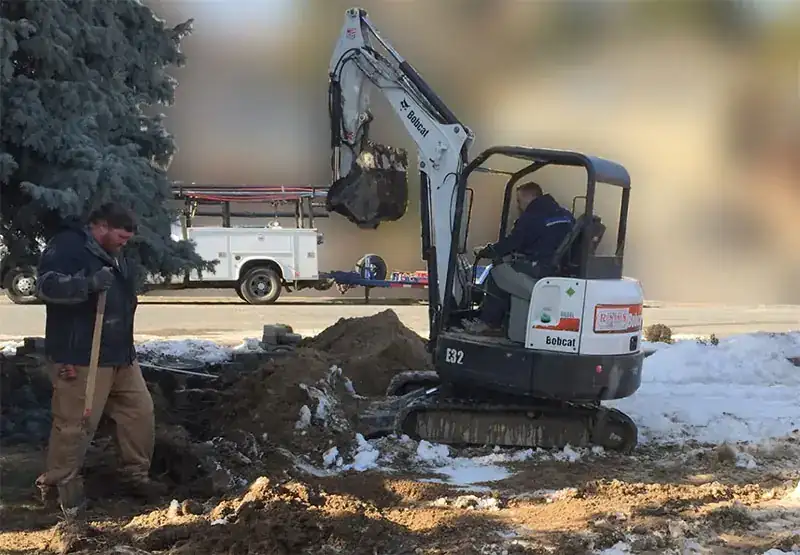
Winter is almost here, and with it come freezing and sometimes well below freezing nights. Preparing ahead takes an afternoon. Dealing with a burst pipe after the fact takes much longer. Here's how we'd walk through a house in the Yakima Valley or Tri-Cities before the first hard freeze.
Why frozen pipes burst
Water expands as it turns to ice. When ice forms in a pipe, it plugs the line, and pressure builds between the ice and the nearest closed faucet. The pipe often splits at a spot away from the ice itself. The really sneaky part is that the split can be hidden until things thaw out, and then water pours into a wall or crawlspace. That's why prevention beats rescue.
Start outside: hose bibs and spigots
Detach every garden hose before the first freeze, including the short one you forgot behind the shrub. A hose left connected holds water in the spigot and in the pipe behind it, and that is a common way an outdoor faucet ends up leaking inside the wall.
- Disconnect and drain hoses, then store them indoors.
- If your spigot has its own shutoff valve inside the house, close it, then open the outdoor spigot to drain what's left in the line.
- Frost-free spigots still need the hose off. Their long stem must drain downhill to do its job.
- Cover the spigot with an insulated cap as one more layer of protection.
Have the irrigation system blown out
Sprinkler lines hold water all summer, and every bit of it left in the pipes, valves and heads is a freeze waiting to happen. Before the first hard freeze, shut off the supply to the system, drain the backflow assembly (the above-ground brass or plastic fitting is usually the first thing to crack), and push compressed air through each zone until the lines are clear. Set the controller to off or rain mode so it doesn't try to run.
Blowing out a system takes the right air volume and pressure. Too much pressure damages heads and fittings. If you've never done it, have someone who does it every day handle it.
Check the crawlspace, garage and exterior walls
Cold gets in through gaps you don't notice in summer. Walk the property and look for cracks, open vents and gaps where pipes enter the house, and seal them. Insulate exposed pipes in crawlspaces, garages and unheated utility rooms with foam sleeves. If you use heat tape, read the instructions and replace anything old or frayed.
Keep the heat on inside the house, even if you're traveling. On the coldest nights, open cabinet doors under sinks along exterior walls and let a faucet on an exposed line drip a little. Moving water is harder to freeze. If you have a cabin, rental or shop that sits empty, talk to us about shutting off and draining the system instead of hoping for the best.
If a pipe does freeze
If you turn on a faucet and nothing comes out, or just a trickle, during a cold snap, suspect a frozen line. Here's what to do:
- Open the affected faucet so water has somewhere to go as the ice melts.
- Warm the pipe gently with a hair dryer or warm towels, working from the faucet back toward the frozen section. Never use a torch or open flame.
- If you see a crack, a bulge or any water leaking, shut off the water at the main right away.
- If you can't find the frozen spot, or it's behind a wall, stop guessing and call a plumber.
Don't assume a pipe is fine just because the water came back. Once it thaws, check for leaks along the line, and watch ceilings and walls for stains over the next day or two.
When to call us
This list will get you started, but it can't guarantee you won't have a problem. Pipes freeze in even well-prepared houses when it gets cold enough. Frozen pipes are a job we handle for homes and businesses across the Yakima Valley and Tri-Cities. Our phone line is open Monday through Friday, 7am to 5pm, at (509) 728-3403. If a pipe lets go outside those hours, shut off the main, get the water off the floor, and call when we open.
Take an hour this month to drain the hoses, blow out the sprinklers, find your main shutoff and check the crawlspace. It is time well spent before the cold arrives.
Shephard Plumbing, (509) 728-3403
Call (509) 728-3403More articles
5 Things Every Home Owner Should Know About Their Plumbing
Learn these five on a calm afternoon and you'll be ahead of most plumbing problems before they start.
What Belongs in a Toilet (and What Doesn't): A Message from the WA Emergency Management Division
It sounds obvious, but wipes, paper towels and grease are behind a huge share of the clogs plumbers see.